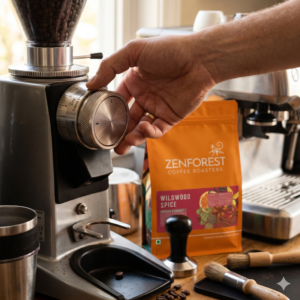

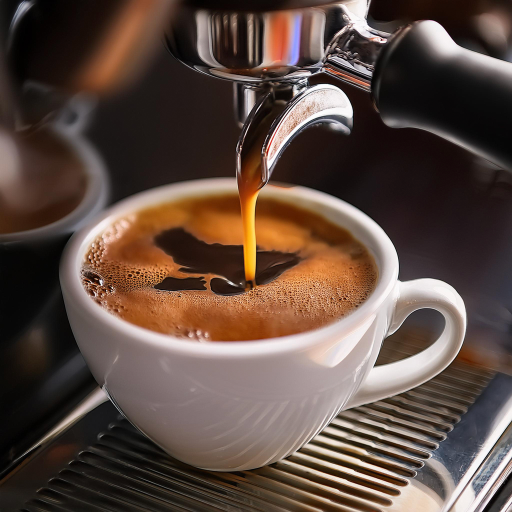
Brewing coffee well is not about following a recipe exactly — it's about understanding the variables well enough to adjust when something's off and to adapt when you change beans, equipment, or method. Every brewing method on this list shares the same underlying science: hot water dissolves soluble compounds from ground coffee into a beverage. What changes between methods is how that extraction is controlled, which attributes it favours, and what kind of cup it produces.
This guide covers all six major brewing methods — what each one does, why, and how to get the best result — plus the foundational variables they all share. Read it once to understand the complete picture, then use the individual method guides for step-by-step detail on whichever method you're working with.
Quick Answer
Great coffee brewing comes down to five variables that apply to every method: grind size, brewing ratio, water temperature, brew time, and technique. Get these in the right range and any brewing method will produce an excellent cup. Get them wrong and even the best beans will disappoint. The fastest skill you can build is learning to diagnose which variable is off when something tastes wrong.
The Five Universal Variables
Before looking at individual methods, it's worth understanding the five variables that govern all of them. Every brewing problem you'll ever encounter traces back to one or more of these.
Grind Size
Controls how fast water extracts from the coffee. Finer = faster extraction. Too fine → over-extraction (bitter). Too coarse → under-extraction (sour, thin).
Brewing Ratio
The weight of coffee relative to water. Controls strength and concentration. More coffee per gram of water = stronger. Less = weaker.
Water Temperature
90–96°C is the standard range. Hotter extracts more aggressively. Cooler under-extracts. Consistent temperature matters as much as the target number.
Brew Time
Total contact time between water and coffee. Longer time = more extraction. Works with grind size — coarser grind can compensate for longer time.
Technique
Pouring pattern, agitation, pressure. Method-specific, but always affects evenness of extraction across the coffee bed.
Water Quality
Mineral content affects how flavour compounds are extracted. Filtered water with moderate TDS (75–250 ppm) is the standard. See our Water guide.
Grind Size: The Most Important Variable
Grind size is the single most impactful variable in home brewing — more so than water temperature or brew time for most methods. The reason is surface area: a finer grind creates more surface area in contact with water, dramatically accelerating how quickly and completely compounds are extracted.
Grind and Extraction
The compounds in coffee dissolve in a predictable order: acids and sugars first (contributing brightness and sweetness), then more complex flavour compounds, then bitter compounds last. A grind that's too coarse pulls only the first compounds — sour, thin, underdeveloped. A grind that's too fine pulls everything including the bitter compounds at the end. The target is a grind that allows water enough contact to dissolve the sweet middle without continuing into bitterness.
| Method | Grind Size | Reference Point |
|---|---|---|
| Cold Brew | Extra Coarse | Coarser than French Press |
| French Press | Coarse | Coarse sea salt |
| Pour Over (V60) | Medium | Table salt or coarse sand |
| AeroPress | Medium-Fine | Between table salt and sugar |
| Moka Pot | Medium-Fine | Slightly coarser than espresso |
| Espresso | Very Fine | Fine sugar, almost powder |
Burr Grinder vs Blade Grinder
A burr grinder produces a consistent, uniform particle size — essential for even extraction. A blade grinder chops beans at random, creating a mix of dust and large chunks that extracts unevenly regardless of the brew method. If you're serious about coffee quality at home, a burr grinder is the most impactful single equipment investment you can make. See our full Coffee Grind Size Guide.
Brewing Ratio
Brewing ratio is the relationship between the weight of coffee and the weight of water used to brew it, written as 1:X (coffee:water). A 1:15 ratio means 1 gram of coffee for every 15 grams of water. Standard ratios vary by method.
Ratio controls strength, not extraction quality. A coffee can be properly extracted but too strong (too concentrated) or too weak (too diluted) depending on the ratio used. The two problems — wrong extraction and wrong ratio — taste different and require different fixes.
| Method | Standard Ratio | Resulting Strength |
|---|---|---|
| Pour Over | 1:15 to 1:16 | Standard cup |
| French Press | 1:14 to 1:15 | Slightly fuller |
| AeroPress | 1:12 to 1:15 | Variable by preference |
| Moka Pot | 1:7 to 1:10 | Concentrated |
| Espresso | 1:2 to 1:2.5 | Very concentrated |
| Cold Brew Concentrate | 1:7 to 1:8 | Concentrated (dilute before drinking) |
See our full Coffee Brewing Ratios guide for how to use a scale and adjust for taste.
Water Temperature
The SCA recommends 90–96°C (195–205°F) for most brewing methods. Within this range, lighter roasts generally benefit from the higher end — they're denser and require more energy to extract fully. Darker roasts benefit from the lower end, which avoids amplifying the bitterness that's already present from heavy roasting.
If you don't have a temperature-controlled kettle, bring water to boiling and let it rest for 30–45 seconds before pouring. This reliably drops temperature from 100°C to approximately 93–95°C. Full detail in our Brewing Temperature Guide.
Brew Time
Total brew time is both a variable you control and one of the best diagnostic signals you have. Most methods have a target time range, and consistently landing outside that range tells you what to adjust.
For pour over, if total brew time is under 2 minutes, grind finer. If it's over 4 minutes, grind coarser. For espresso, if the shot pulls in under 20 seconds, grind finer. Over 35 seconds, grind coarser. The numbers are different by method, but the logic is always the same: time tells you how fast extraction is happening.
Technique
Technique covers everything method-specific: how you pour water (gently or aggressively), whether you stir, how firmly you tamp, whether you bloom first. Technique affects how evenly water contacts the coffee bed — uneven contact creates channelling, where water flows through some grounds multiple times while bypassing others, resulting in an uneven extraction that tastes simultaneously over and under extracted.
When something tastes wrong, change only one variable at a time. If you change grind size, ratio, and temperature simultaneously, you won't know which one fixed the problem — and you'll face the same confusion next time. One change, one brew, taste and assess, then decide what's next.
Pour Over
Pour over is the method most associated with specialty coffee, and for good reason: its controlled, filter-based extraction highlights acidity, sweetness, and origin character more clearly than almost any other method. The paper filter removes oils and fine particles, producing a clean, bright, well-defined cup.
What You Need
A pour-over dripper (V60 or similar), paper filters, a gooseneck kettle, a scale, and a medium grind. The gooseneck kettle isn't optional — precise pour control is essential for even extraction.
The Method
- Rinse the paper filter with hot water. Discard the rinse water.
- Add 20g of coffee, level the bed.
- Pour 40g of water for the bloom. Let rest 30–45 seconds.
- Pour remaining water to 320g total in slow, circular motions from center outward.
- Let the dripper drain completely. Total time: 2.5–3.5 minutes.
If your brew finishes under 2.5 minutes and tastes sour, grind finer. Over 3.5 minutes and tastes bitter, grind coarser. See the full Pour Over Guide.
French Press
French press is full-immersion brewing — coffee steeps directly in water rather than being filtered through as it brews. The metal mesh filter allows oils and fine particles to pass into the cup, creating a heavier body and richer mouthfeel than pour over. It's the ideal method for coffees with bold, earthy, chocolatey character — like Indian Robusta or Monsoon Malabar.
The Method
- Add 30g of coffee (coarse grind) to the press.
- Pour 450g of 94°C water, ensuring all grounds are saturated.
- Place the lid on (plunger up) and steep for 4 minutes.
- Press down slowly and steadily. Pour immediately to stop extraction.
Common mistake: pressing too fast, which forces fine particles through the mesh. Press slowly over 20–30 seconds. See the full French Press Guide.
AeroPress
The AeroPress is the most versatile brewer on this list — capable of producing a light, clean cup similar to pour over, or a concentrated, espresso-adjacent shot depending on technique. Its pressure component and short brew time make it forgiving and fast, with a wide range of acceptable variables.
Standard Method
- Rinse the paper filter and insert it in the cap.
- Add 15g of coffee (medium-fine grind) to the chamber.
- Pour 30g of water, stir, bloom 30 seconds.
- Pour to 225g total. Stir gently.
- Attach cap and press slowly over 20–30 seconds.
If pressing is very difficult, grind coarser. If the cup tastes thin and sour, steep longer before pressing. See the full AeroPress Guide.
Moka Pot
The moka pot brews espresso-style coffee by forcing boiling water upward through tightly packed grounds under steam pressure. It doesn't produce true espresso — the pressure is lower than a machine — but it creates a bold, concentrated cup that holds up well in milk drinks and performs well with full-bodied Indian coffees.
The Method
- Fill the bottom chamber with hot (not cold) water, just below the safety valve.
- Fill the basket with medium-fine grind coffee, levelled but not tamped.
- Assemble firmly and place on medium heat, lid open.
- Remove from heat the moment the flow turns light and sputtering begins.
Using hot water at the start reduces grounds contact with heat before brewing begins, avoiding a bitter, cooked flavour. See the full Moka Pot Guide.
Espresso
Espresso is the most technically demanding brewing method — small margins, fast feedback, and very little room for error. It's also the foundation of every milk-based coffee drink, which makes it worth mastering if you drink cappuccinos, lattes, or flat whites.
The Method
- Dose 18g of very fine grind into the portafilter.
- Distribute evenly, then tamp firmly and level.
- Pull the shot, targeting 36g output in 25–30 seconds.
- Evaluate: sour and fast = grind finer. Bitter and slow = grind coarser.
Espresso requires a machine capable of approximately 9 bars of pressure and a quality burr grinder — it's the method where equipment quality matters most. See the full Espresso Brewing Guide.
Cold Brew
Cold brew trades heat for time: coffee steeps in cold or room-temperature water for 12–24 hours instead of brewing in minutes. The result is a smooth, low-acid concentrate that retains coffee's natural sweetness while eliminating most of the organic acids responsible for brightness and stomach sensitivity.
The Method
- Combine 60g of extra-coarse grind coffee with 500g of cold water (1:8 ratio).
- Stir to saturate all grounds.
- Cover and steep at room temperature or in the fridge for 12–24 hours.
- Strain through a fine mesh, then a paper filter for clarity.
- Dilute with water, milk, or ice to taste before drinking.
Grind is the most critical variable in cold brew — too fine produces muddy sediment regardless of straining. See the full Cold Brew Guide.
Choosing the Right Method for You
| If You Want... | Best Method |
|---|---|
| Clean, bright, origin-forward cup | Pour Over |
| Full body, maximum richness | French Press |
| Fast, versatile, forgiving | AeroPress |
| Bold, stovetop espresso-style | Moka Pot |
| True espresso and milk drinks | Espresso machine |
| Smooth, low-acid, make ahead | Cold Brew |
Troubleshooting Guide
| Problem | Likely Cause | Fix |
|---|---|---|
| Sour, sharp, thin | Under-extraction | Grind finer, use hotter water, brew longer |
| Bitter, harsh, astringent | Over-extraction | Grind coarser, use cooler water, brew shorter |
| Flat, weak, watery | Ratio too loose | Increase coffee dose or decrease water |
| Too strong, intense | Ratio too tight | Decrease coffee dose or increase water |
| Inconsistent day to day | No scale, blade grinder | Weigh coffee and water, switch to burr grinder |
| Muddy, gritty texture | Grind too fine, poor filtering | Coarsen grind, use paper filter |
Common Mistakes
Continue Learning
Supporting Articles in This Cluster
Ready to Brew Something Excellent?
All of these methods reward fresh, well-sourced beans. Our whole-bean specialty range is roasted to order and shipped within days of roasting.
Shop Whole Bean Coffees →