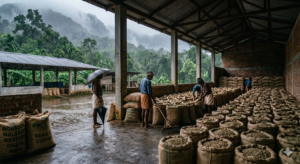

Coffee Storage - Even the best beans lose their character quickly if stored poorly. Heat, light, air, and moisture are coffee's four enemies, and avoiding all four is simpler than most people think.
Quick Answer
Store coffee beans in an airtight, opaque container at room temperature, away from heat, light, and moisture. Avoid the refrigerator for daily use, and only consider freezing for longer-term storage in well-sealed, portioned amounts.
Airtight Containers
Oxygen is one of the fastest degraders of coffee's aromatic compounds. A container with a tight seal — ideally one with a one-way valve to release built-up CO2 without letting air in — significantly extends freshness.

| Storage Method | Recommended? |
|---|---|
| Airtight opaque container, room temp | Yes — best option |
| Original bag, resealed | Acceptable short-term |
| Refrigerator | Not recommended |
| Freezer, properly portioned | Yes — for long-term only |
Avoiding Light and Heat
Store coffee away from direct sunlight and heat sources like stovetops or sunny windowsills. Both accelerate the breakdown of flavour compounds, even in an otherwise sealed container.
Moisture
Moisture is particularly damaging, capable of introducing mold risk and dulling flavour quickly. Keep coffee away from humid areas like near a sink or dishwasher.
Should You Freeze Coffee?
Freezing can meaningfully extend storage life for coffee you won't use within a few weeks, but only in a well-sealed, airtight container, ideally portioned into smaller amounts to avoid repeated freeze-thaw cycles that introduce moisture.
Should You Refrigerate Coffee?
Refrigeration is generally not recommended for everyday storage — the fridge's humidity and odors can affect coffee quality, and temperature fluctuations from frequent opening can introduce condensation.
If freezing coffee, portion it into roughly one-week amounts before freezing, so you're never repeatedly thawing and refreezing the same batch — that cycle introduces moisture and accelerates staling.
Common Mistakes
Continue Learning
Recommended Coffees
Worth Storing Properly
Learn More
Frequently Asked Questions
Should I store coffee in the fridge?
Generally not recommended for daily use — humidity and odors in the fridge can negatively affect flavour.
Can I freeze coffee beans?
Yes, for longer-term storage, but only in an airtight container, ideally portioned to avoid repeated freeze-thaw cycles.
What's the best container for storing coffee?
An opaque, airtight container, ideally with a one-way CO2 release valve, kept away from heat and light.
How long does coffee stay fresh once opened?
Whole beans generally stay reasonably fresh for a few weeks past the roast date if stored properly.
Does the original coffee bag work for storage?
Many specialty bags have a one-way valve and reasonable seal, but transferring to a dedicated airtight container is still a worthwhile upgrade.
Good Storage Protects Your Investment
Proper storage costs nothing beyond a decent airtight container, yet it's one of the most overlooked factors in whether a great bag of coffee actually tastes great by the time you brew it.
Coffee Storage: How to Keep Beans Fresh Longer Proper coffee storage is one of the simplest ways to protect the quality of your beans. Coffee has four enemies — heat, light, air, and moisture — and avoiding all four is easier than most people think. The best approach is an airtight, opaque container kept at room temperature, away from sunlight and heat sources like stovetops or windows. Oxygen is the fastest degrader of coffee's aromatic compounds, so a tight seal matters more than anything else. Avoid the refrigerator for daily use — humidity and food odours transfer directly into the beans. Freezing works for longer-term storage, but only in a well-sealed container, portioned in advance to prevent repeated freeze-thaw cycles that introduce moisture. Whole beans stay fresh for two to four weeks past the roast date when stored correctly. Ground coffee, however, loses its aromatic complexity within days — another strong reason to grind fresh before every brew.
Explore More in the Coffee Academy
Every cup tells a story — keep learning, keep tasting, and keep exploring what makes specialty coffee worth the extra care.
Visit the Coffee Academy →