
Indian Specialty Coffee
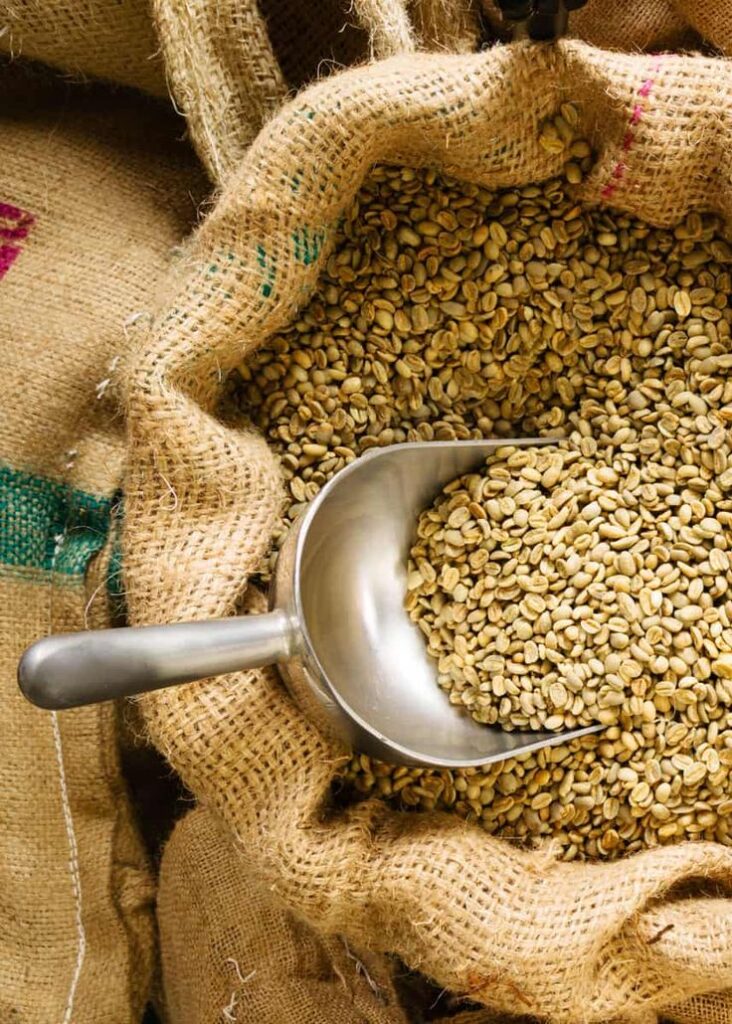
India has a rich coffee-growing history dating back to the 17th century, primarily in the Western Ghats. While it remains underexplored in specialty coffee circles, Indian coffee is characterized by low acidity and a grounding profile. Key regions include Karnataka, Kerala, and the emerging Araku Valley, known for its cooperative model.
Coffee Processing
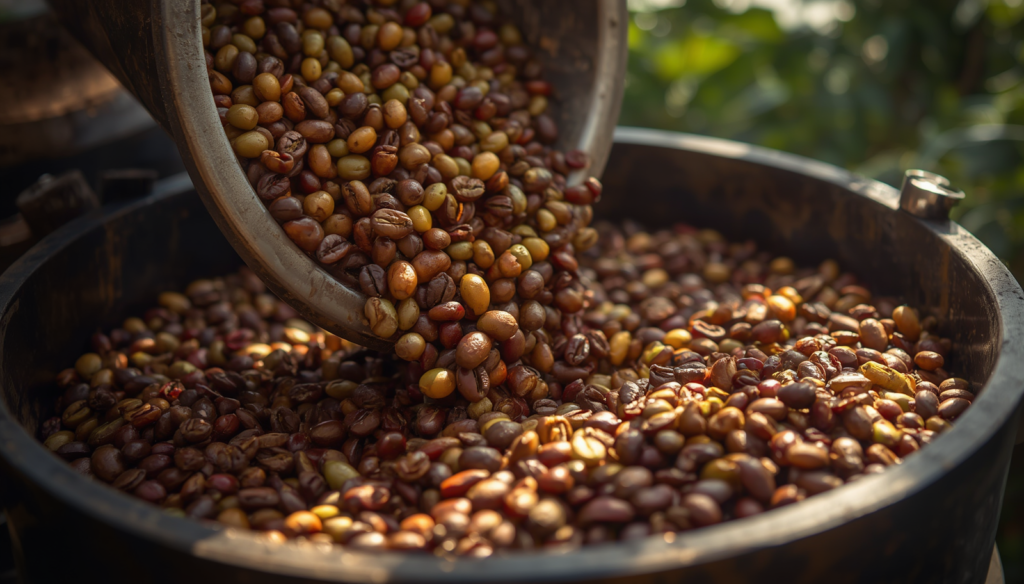
Coffee processing is crucial in determining flavor and character, affecting sweetness, body, and acidity. Methods like washed, natural, and honey processing each yield distinct profiles. This handbook explores these methods, their science, and influences on taste, emphasizing the importance of processing in coffee selection and appreciation.
Coffee Science
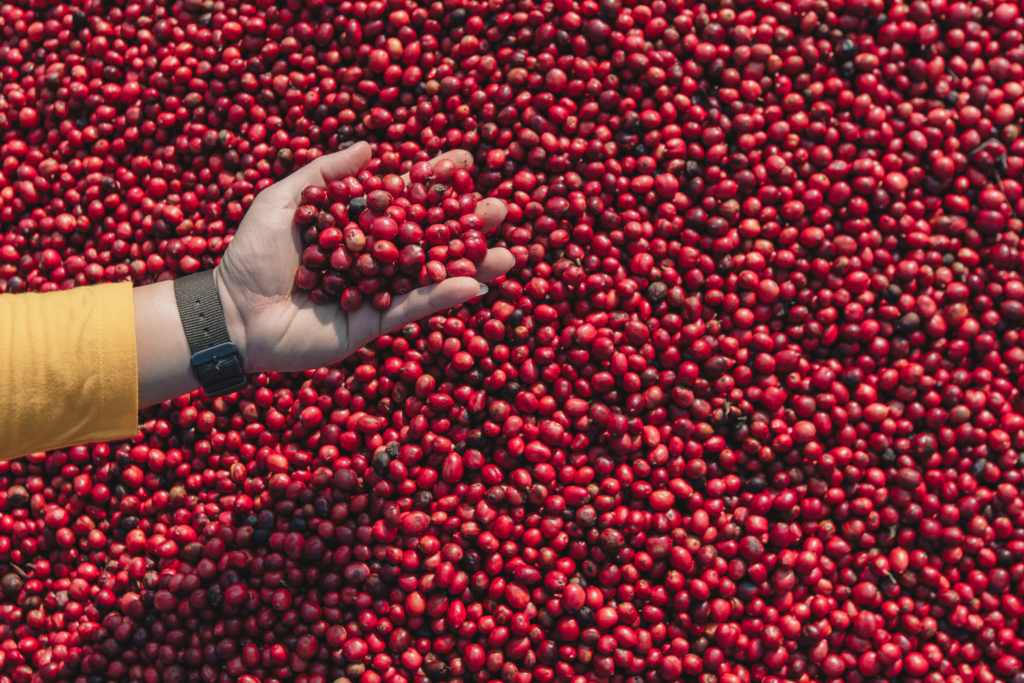
Every cup of coffee involves a chemistry process where hot water extracts soluble compounds from grounds. Key factors include grind size, water temperature, brew time, agitation, and water quality. Understanding extraction helps achieve balanced flavors, avoiding under or over-extraction. Effective brewing requires careful adjustment of these variables to optimize taste.
Brewing Guide
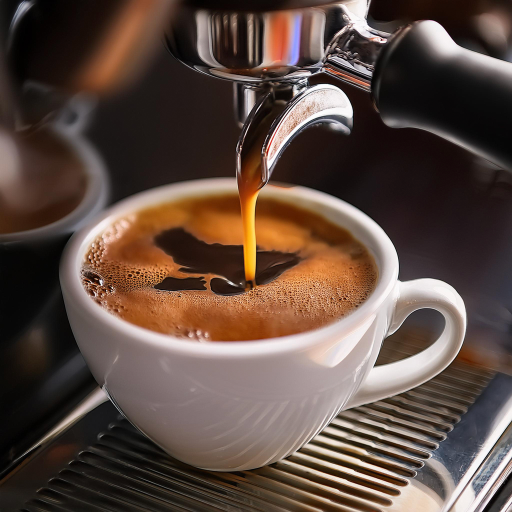
Brewing great coffee relies on understanding five key variables: grind size, brewing ratio, water temperature, brew time, and technique. This guide explains six major brewing methods, detailing their unique features and how to optimize results. Mastering these variables helps troubleshoot issues and ensures a consistently excellent cup of coffee.
Specialty Coffee
Specialty coffee is one of the most overused and least understood terms in the food and drink world. It appears on bags from global chains and from small independent roasters alike, often meaning very different things. In the strictest sense, specialty coffee is defined by a single number on a 100-point scale — and understanding how that number is derived, what it represents, and what has to happen across thousands of miles and dozens of decisions to achieve it is the clearest entry point into genuinely understanding coffee. This guide covers the complete picture: from how coffee is scientifically defined as specialty grade, to how origin, farming, processing, roasting, and brewing each play a role, to why India occupies a unique and underappreciated position in the global specialty coffee world. Quick Answer Specialty coffee is coffee that scores 80 points or above on the Specialty Coffee Association’s 100-point cupping scale, evaluated by a trained Q Grader. The designation indicates a traceable single origin, no primary defects, and flavour complexity that exceeds commodity-grade coffee. Roughly 3% of all coffee produced globally meets this standard. Contents What Specialty Coffee Actually Means How Coffee is Graded The Coffee Supply Chain Origin and Terroir Coffee Varieties Processing Overview Roasting and the Maillard Reaction Brewing and Extraction India in the Specialty Coffee World How to Find Genuine Specialty Coffee Common Mistakes Continue Learning What Specialty Coffee Actually Means The Specialty Coffee Association (SCA) defines specialty coffee as coffee that scores 80 points or above on a standardised 100-point evaluation scale. This isn’t marketing — it’s a specific technical threshold applied by certified professional tasters called Q Graders, who evaluate coffee blind against a rubric covering fragrance, aroma, flavour, aftertaste, acidity, body, balance, uniformity, cleanliness, and sweetness. Specialty coffee also requires zero primary defects (such as full black or full sour beans) and fewer than five secondary defects per 350-gram sample. It must be traceable to a single origin — a country, region, cooperative, or farm — rather than being a blend of unidentifiable sources. This traceability requirement is one of the most important distinctions from commodity coffee, because it creates accountability at every point in the supply chain. Specialty vs Commodity Coffee Commodity coffee — the kind sold as “100% Arabica” in supermarkets, used in most instant coffee, and traded at the New York C price on global markets — is evaluated differently. It’s graded for acceptable quality and consistency, but not for exceptional quality or distinguishable character. It’s bought and sold by weight and defect rate, not by flavour score. Specialty coffee demands a completely different evaluation framework and commands a price premium that, at its best, flows back to the farmers who grew it. Commodity Coffee Below 80 SCA points. Traded by weight at the global market price. Minimal traceability. Evaluated for acceptable quality, not exceptional quality. Premium Coffee 75–80 SCA points. Better than commodity, but doesn’t meet specialty threshold. Often sold as “premium” by large roasters without formal scoring. Specialty Coffee 80+ SCA points. Traceable single origin. No primary defects. Evaluated by a certified Q Grader. Represents roughly 3% of global production. How Coffee is Graded Coffee is graded through a process called cupping — the standardised tasting protocol used throughout the industry to evaluate samples. In cupping, ground coffee is steeped in hot water in identical bowls without any filtering, and tasters evaluate each sample by smelling, breaking the crust, and slurping the liquid to assess its properties at different temperatures as the coffee cools. The SCA Cupping Form The SCA cupping form evaluates ten attributes, each scored on a six-to-ten scale: Attribute What It Measures Fragrance/Aroma Smell of dry grounds and wet coffee Flavour The combined taste and aroma experienced while drinking Aftertaste The character and duration of the finish after swallowing Acidity Quality and intensity of brightness or liveliness Body Weight and texture of the coffee on the palate Balance How well the attributes work together Uniformity Consistency across five cups of the same sample Cleanliness Absence of off-flavours or defects Sweetness Presence and quality of natural sweetness Overall Holistic assessment of the cup’s personal value to the taster Q Graders Q Graders are trained and licensed by the Coffee Quality Institute (CQI), having passed a rigorous exam process covering cupping, sensory skills, green coffee grading, and roasting science. Their certifications must be renewed every three years. A coffee must be evaluated by at least one licensed Q Grader for the score to be considered official — and most specialty roasters work with multiple Q Graders to cross-validate scores. The Coffee Supply Chain Understanding specialty coffee requires understanding the chain of decisions that leads from a seed planted on a hillside to the cup in your hand. Every stage introduces variables that either protect or erode the quality established at the previous stage. Growing Coffee begins as a seed of the Coffea plant, most commonly Coffea arabica or Coffea canephora (Robusta). The plant thrives in a climate band roughly 23° north and south of the equator, known as the Coffee Belt, at altitudes that vary by species and regional climate. Growing conditions — altitude, soil composition, shade canopy, rainfall pattern, temperature — establish the baseline potential of the cherry before any processing decision is made. Harvesting Cherries are harvested either selectively by hand (picking only ripe red cherries) or stripped (removing all cherries at once regardless of ripeness). Selective hand-picking is significantly more labour-intensive and more expensive, but produces higher-quality lots since only fully ripe cherries contain the right sugar levels for complex, balanced flavour. Most specialty coffee is selectively hand-picked. Processing After harvesting, the coffee must be processed — the fruit removed from the seed in preparation for roasting. The processing method chosen has one of the single largest effects on the final cup character. The main methods are washed, natural, honey, and a range of experimental techniques including anaerobic fermentation and monsooning. See our full Coffee Processing Methods guide for the complete breakdown. Exporting and Importing
Coffee Flavour Notes: Explained
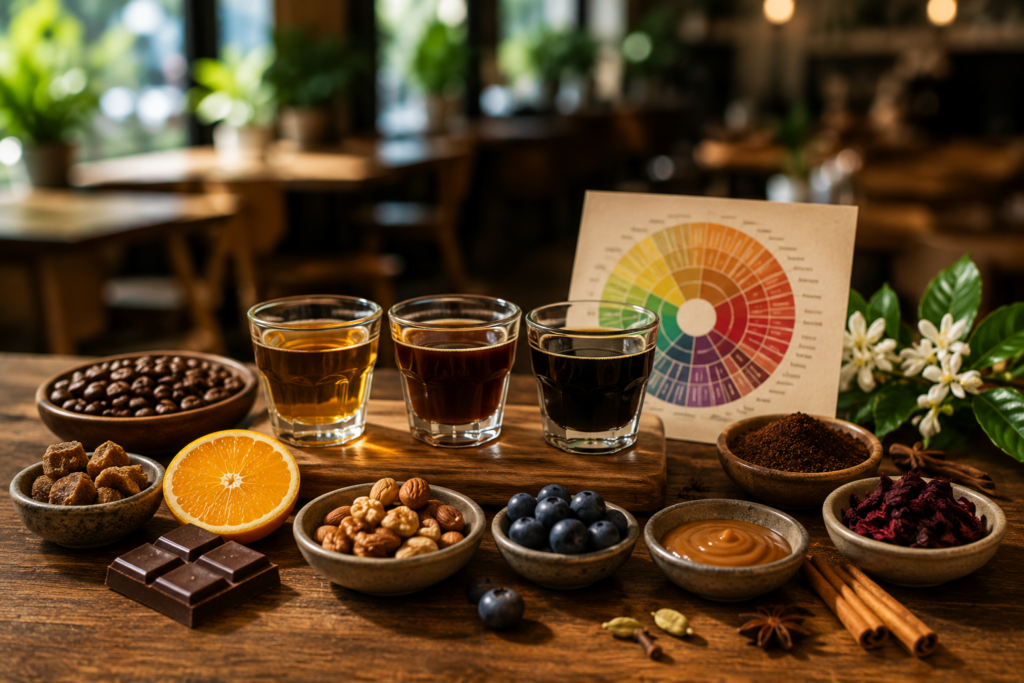
Coffee flavour notes serve as a guide to understanding the aromatic compounds in a brew, categorizing them into familiar references like chocolate, caramel, and berries. Each note is influenced by factors such as origin, processing methods, and roasting levels. The notes help tasters develop vocabulary through practice, enhancing the coffee experience.
Coffee Labels: Informative Guide
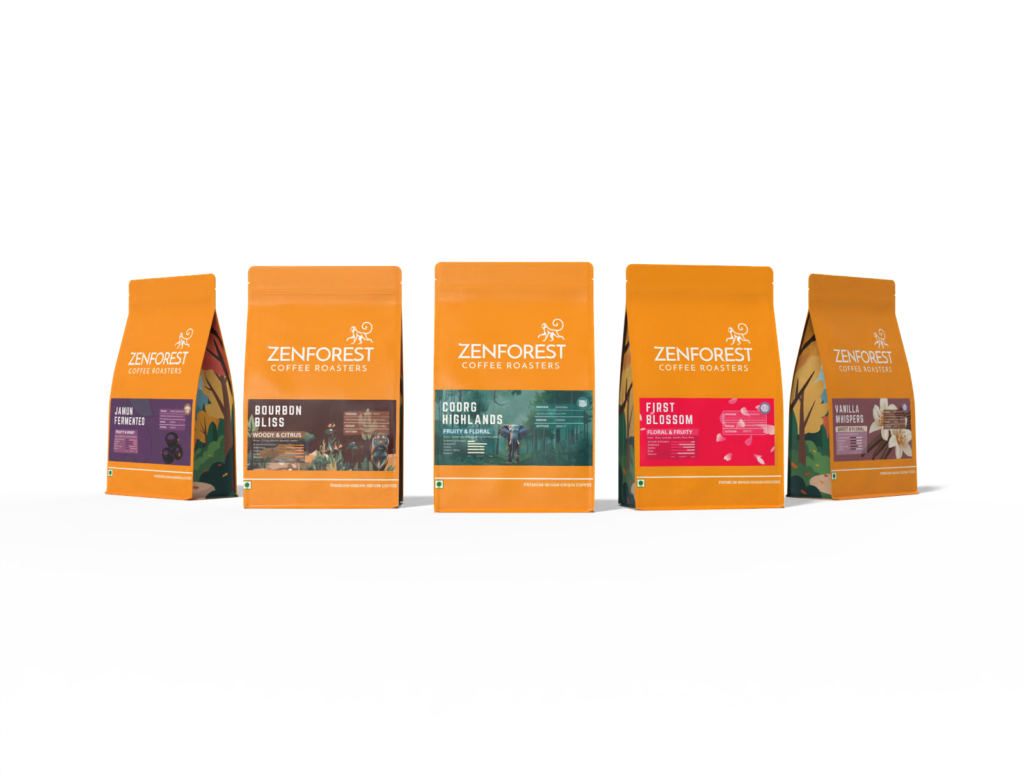
Understanding coffee labels — how to read roast date, origin, altitude, processing method, variety, and flavour notes to predict exactly what’s in the bag.
Coffee Storage Guide
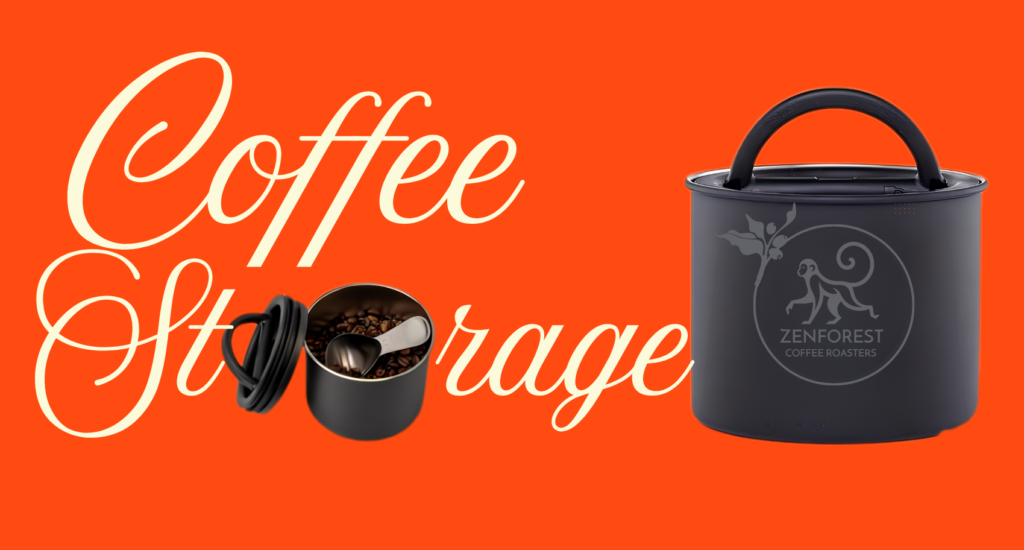
Coffee storage guide — how to keep beans fresh longer using airtight containers, why to avoid the fridge, and when freezing is actually the right choice.
Whole Bean vs Ground Coffee
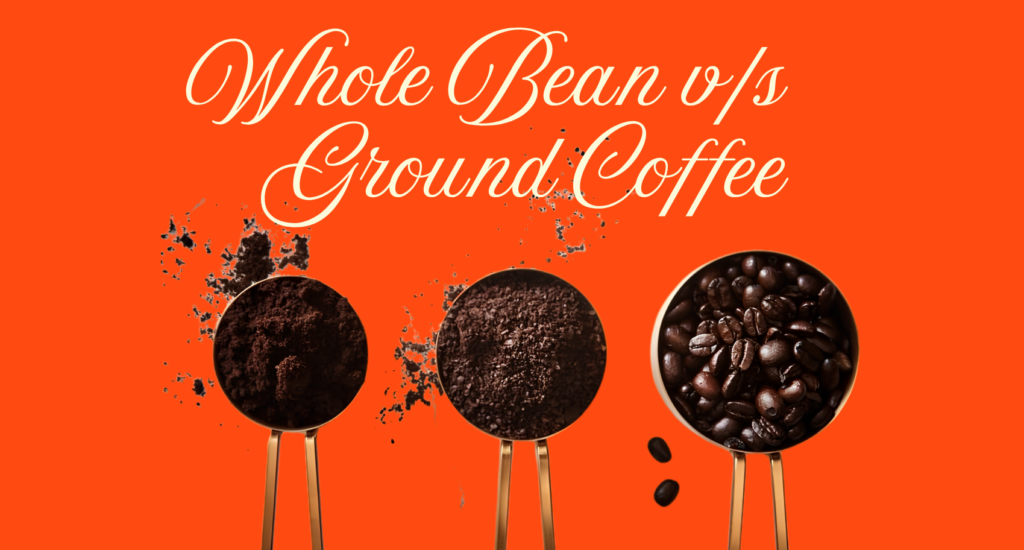
Whole bean vs ground coffee — why whole bean stays fresh far longer, when pre-ground makes sense, and why grinding just before brewing makes a real difference.
How to choose Specialty Coffee?
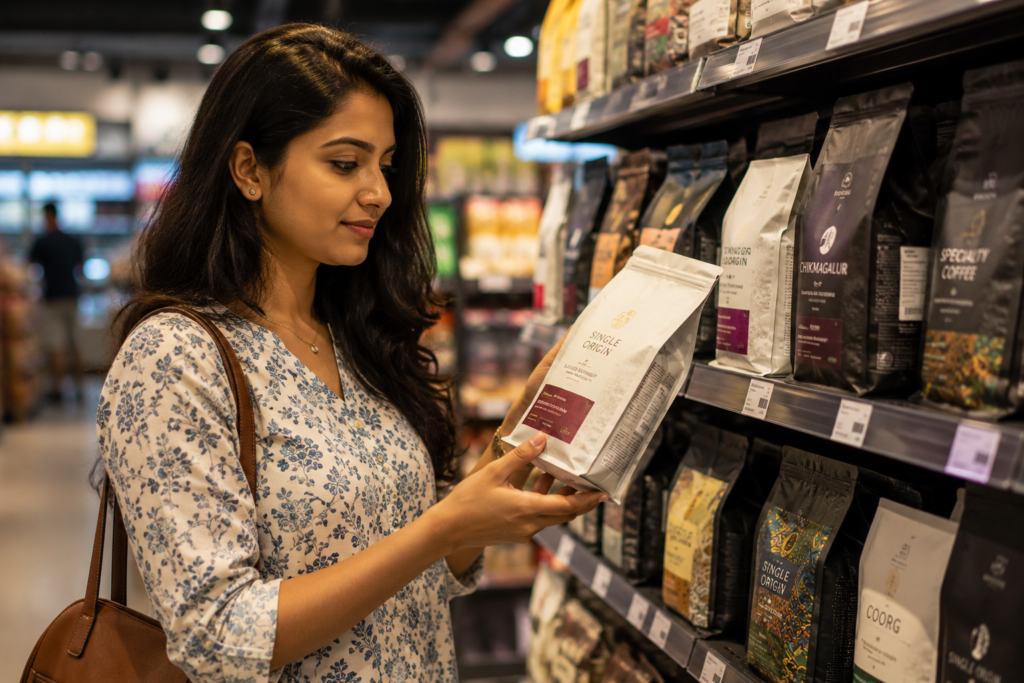
Walking into the specialty coffee aisle for the first time can feel overwhelming — unfamiliar origins, processing methods, and roast dates competing for attention on every bag. This guide breaks down exactly what to look for, so you can buy with confidence instead of guessing. Quick Answer To choose specialty coffee, check the roast date for freshness, look for a single traceable origin, note the processing method to predict flavour style, and match the roast level to your preferred brewing method. Avoid bags with no roast date or origin information. What’s in this guide Check the Roast Date Look for Traceable Origin Understand Processing Method Match Roast Level to Brewing Method Trust Transparent Roasters Common Mistakes Continue Learning Recommended Coffees Learn More FAQs Check the Roast Date Always look for a roast date, not a generic best-by date. Coffee tastes best within roughly 5-21 days of roasting — if a bag doesn’t list a roast date at all, that’s usually a sign it’s not specialty grade. Label Detail Why It Matters Roast date Tells you actual freshness Origin Indicates traceability and likely flavor profile Processing method Predicts sweetness, body, acidity Roast level Should match your brewing method Look for Traceable Origin Specialty coffee should tell you where it came from — farm, region, or at minimum country, ideally with altitude. Vague labeling like “blend of origins” with no further detail usually signals commodity-grade coffee. Understand Processing Method Knowing whether a coffee is washed, natural, or honey-processed tells you a lot about what to expect in the cup before you even brew it. See our Coffee Processing Guide for a full breakdown. Match Roast Level to Brewing Method Light roasts shine in pour-over and other manual methods; medium-dark roasts perform better in espresso and milk drinks. Buying a roast level mismatched to your equipment is one of the most common beginner mistakes. Trust Transparent Roasters Roasters who openly share sourcing details, cupping scores, and processing information are generally more reliable than those who don’t — transparency is a strong proxy for quality across the specialty industry. Zenforest Expert Tip If a bag of coffee has no roast date, no origin information, and no processing method listed, treat that as a red flag rather than an oversight — transparency is one of the clearest markers of genuine specialty coffee. Common Mistakes ✕Buying coffee with no visible roast date✕Ignoring processing method when predicting flavour✕Choosing a roast level mismatched to your brewing equipment✕Assuming all dark roast is lower quality✕Buying in bulk before trying a smaller bag first Continue Learning What is Specialty Coffee→Understanding Coffee Labels→Roast Levels→Coffee Processing Methods→ Recommended Coffees A Great Starting Point Chikkamagaluru Arabica Learn More Specialty Coffee Association (SCA)↗Coffee Quality Institute (CQI)↗ Frequently Asked Questions What should I look for on a specialty coffee bag? Roast date, origin, processing method, and ideally altitude and variety — the more detail, the more transparent the roaster. Is expensive coffee always better? Not automatically, but specialty coffee’s premium generally reflects real costs in sourcing, processing, and quality control. How do I know if a coffee is fresh? Check the roast date — coffee is best within roughly 5-21 days of roasting. Should beginners buy whole bean or ground coffee? Whole bean, almost always — it stays fresh significantly longer than pre-ground coffee. What roast level should beginners start with? Medium roast is the most approachable and forgiving starting point across most brewing methods. Buy With Confidence Choosing specialty coffee gets easier with every bag you try. Use roast date, origin, and processing method as your three quick checks, and you’ll rarely go wrong. Explore More in the Coffee Academy Every cup tells a story — keep learning, keep tasting, and keep exploring what makes specialty coffee worth the extra care. Visit the Coffee Academy →